Summer Salads - Fresh and Refreshing

It’s the end of August, but here at the Farm we are still experiencing 3-digit temperatures so easy salads using local produce are welcome after a hot day. These salads easily lend themselves to experimenting. We’ve made suggested lists of ingredients to allow for your imagination and whatever you might have on hand. (Photo and food styling credit: Sophia Campodonico)


Burrata Peach Salad

2 servings

Using pillowy burrata, sweet peaches and peppery arugula, this salad becomes a luxurious take on the traditional caprese salad. Thanks to good friend @danielripleycatering for this salad’s inspiration.

  • 1 tub of burrata

  • 2 large handfuls of baby arugula

  • 2 ripe, but firm peaches cut into thick slices

  • 2-3 large heirloom tomatoes cut into wedges

  • Flaky salt, such as Maldon salt

  • Campodonico Olive Farm extra virgin olive oil

Layer peaches and tomatoes together on two plates. Pinch off large pieces of burrata and place two pieces on each plate of peaches and tomatoes. Scatter the arugula and sprinkle the Maldon salt on top. Drizzle the olive oil all over, making sure to get some in the cracks and crannies of the burrata. Taste and see why using a high-quality olive oil such as ours is the key to making a dish special.

*******


Noni’s Bean Salad

2 servings

“Noni” beans were brought to California by my Italian grandmother from Lucca around the turn of the last century. When dried in the shell, they resemble Borlotti beans and can be used for soups and stews. We like to pick most of the beans before the bean seeds mature at all. On a warm evening we like them simply blanched and tossed with some herbs and our favorite extra virgin olive oil.

  • 1/2 pound Romano beans, give or take

  • Few small springs of Italian parsley - leaves separated and torn.

  • A few mint leaves, torn.

  • 1 lemon

  • 2 to 3 Tbs Campodonico Olive Farm extra virgin olive oil

  • a pinch - or to taste - of red pepper flakes

  • sea salt

Blanch the green beans until crunchy tender and plunge into ice water. Drain. Zest the lemon with a microplane. Juice the lemon. Put the olive oil in a small bowl. Slowly pour the lemon juice into the oil, whisking briskly to mix thoroughly. Add a pinch of sea salt.

Arrange the beans on each plate. Sprinkle with the zest and a few pepper flakes. Shower the torn mint and parsley leaves over the top. Drizzle the dressing over the beans and serve.

*******

Panzanella (Italian bread salad)

3-4 servings

We first tasted this hot weather favorite in Florence, long before we even imagined that we would be raising olives and producing our own award-winning olive oil

  • 1 baguette cut into large cubes and allowed to get stale for a day

  • 2 Tbs red wine or sherry vinegar (more to taste)

  • 1/4 cup Campodonico Olive Farm extra virgin olive oil

  • 1-2 minced cloves of garlic

  • sea salt

  • freshly ground black pepper

  • 2 heirloom tomatoes, seeded and cut into small wedges

  • 1 cucumber halved, seeded and cut into crescents

  • several basil leaves, torn

Mix baguette pieces, tomatoes, cucumber together. Whisk the vinegar and olive oil together thoroughly. Mix in salt, garlic and freshly ground pepper. Toss with the bread mixture, cover and refrigerate for 1 hour before serving. To serve, plate the salad and sprinkle with the basil leaves. Drizzle a little more olive oil on top for extra deliciousness.

*******

The next two salads are easy to make and take no time at all to put together. They still rise above the mundane with the taste of fresh herbs and peppery olive oil.


Summer Squash Salad

2 servings

  • 1 zucchini

  • 1 crookneck squash

  • 1 lemon

  • 1 tsp fresh thyme leaves, separated from stems

  • sea salt

  • Campodonico Olive Farm extra virgin olive oil

With a mandoline, slice squash lengthwise into ribbons. Divide in half and swirl the ribbons together on two plates. Sprinkle with thyme leaves and salt. Zest the lemon, letting it fall over the salad. Then squeeze the lemon over the salad as well. Lastly, drizzle the salad with olive oil.

To make a meal out of this beautiful salad, add spoonfuls of fresh ricotta and serve with grilled country bread rubbed with a clove of garlic. We recommend a chilly glass of Vermentino.

*******

Feta and Watermelon Salad

3-4 servings

  • Half of a small seedless watermelon

  • 6-ounce block of Greek feta cheese

  • Several mint leaves, larger ones torn

  • 3 Tbs Campodonico Olive Farm extra virgin olive oil

  • Flaky salt, such as Maldon salt

Cut three, 3/4-inch watermelon slices into 8 pie-shaped pieces. Cut the feta cheese into similar size triangles. Arrange them in a haphazard overlapping design on individual plates. Scatter the mint leaves on top. Sprinkle with Maldon salt. Liberally drizzle olive oil over the watermelon and cheese. A quick way to a delicious and cooling supper on a hot day.

*******

Late Breaking News: Another Gold Medal!

The Central Coast Olive Oil Competition recently awarded us a gold medal for our 2021 harvest olive oil. The judges described our oil as having a “robust finish” and a “bitter and pungent” flavor profile. These qualities assure our customers that our organic extra virgin olive oil has plenty of healthy polyphenols and is an excellent oil to use for your best culinary efforts.

Certified Extra Virgin Olive - Part of your New Year's Resolution for a heart-healthy diet

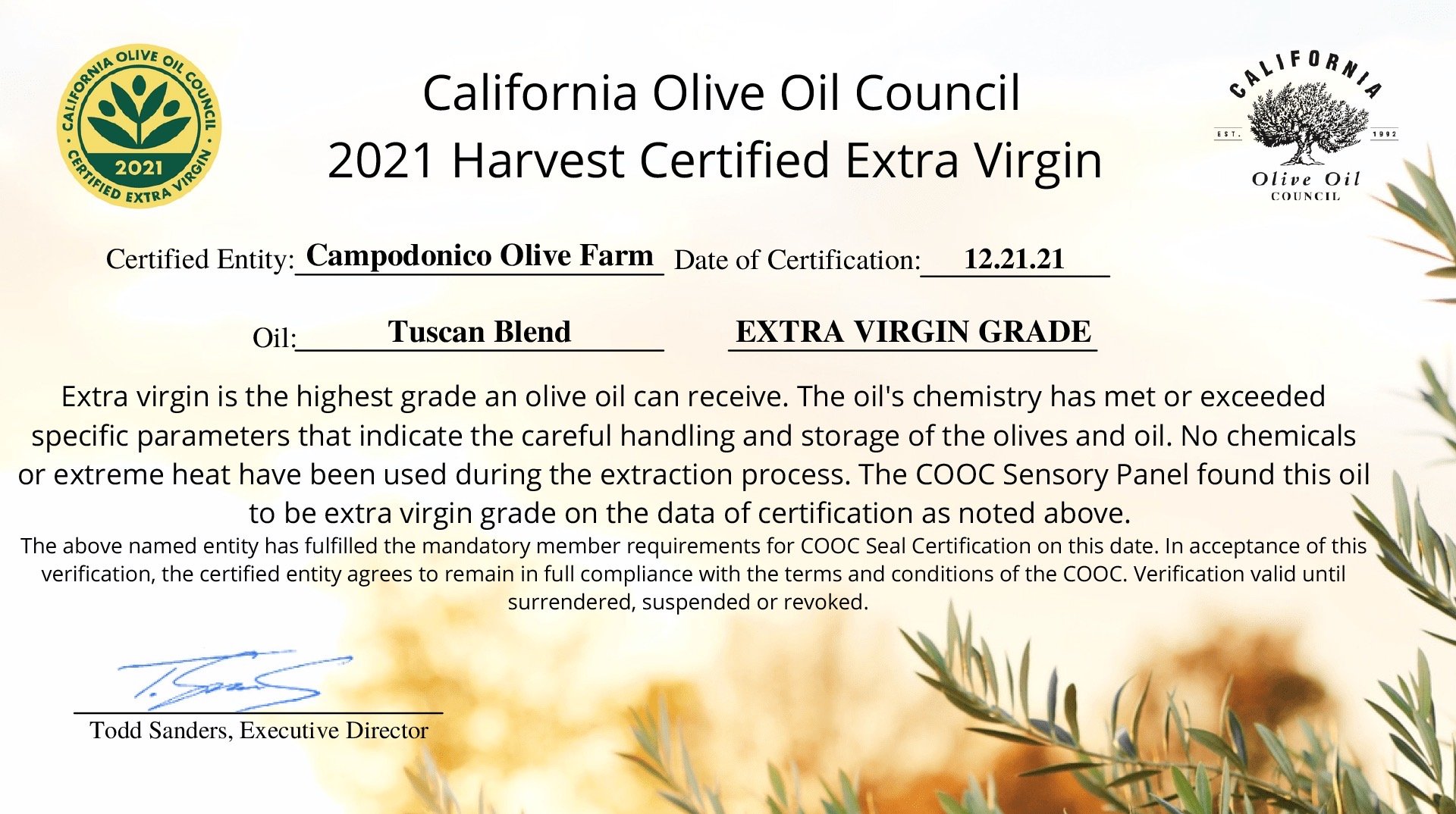
As we’ve done since 2015, we had our 2021 oil tested for its extra virgin olive oil status. Our oil is submitted to a lab, which tests its free fatty acid and polyphenol levels, among other qualities. Our yearly test continue to show low acidity and high polyphenol levels.* An internationally recognized taste panel then subjects the oil to rigorous tasting to make sure it has no flavor defects, which would disqualify the oil from being extra virgin. In this way our careful practices in the orchard and handling of the olives at harvest are validated. And our customers can be assured that our oil is truly a healthy and delicious product.

“A Mediterranean diet rich in extra virgin olive oil has many health benefits. Some of these benefits come from extra virgin olive oil’s proven ability to fight chronic disease from its high percentage of mono-unsaturated fatty acids, richness in antioxidants and vitamin E, and abundance of polyphenol compounds. These unique components not only make extra virgin olive oil taste delicious but also contribute to its antioxidant and anti-inflammatory effects.” — California Olive Oil Council (https://cooc.com/health-nutrition/)

If a healthier diet is part of your 2022 New Year’s resolutions, then try including our organic extra virgin olive oil from olives grown exclusively on our farm here in Lake County, California.

*If you are interested in the math, our 2021 oil here are our lab results: free fatty acid is 0.24% oleic and the total polyphenol is 544.0 mg eq GA/kg.

A Second Covid Spring and Summer -- Clearer Skies, Drought and Three-Digit Temperatures

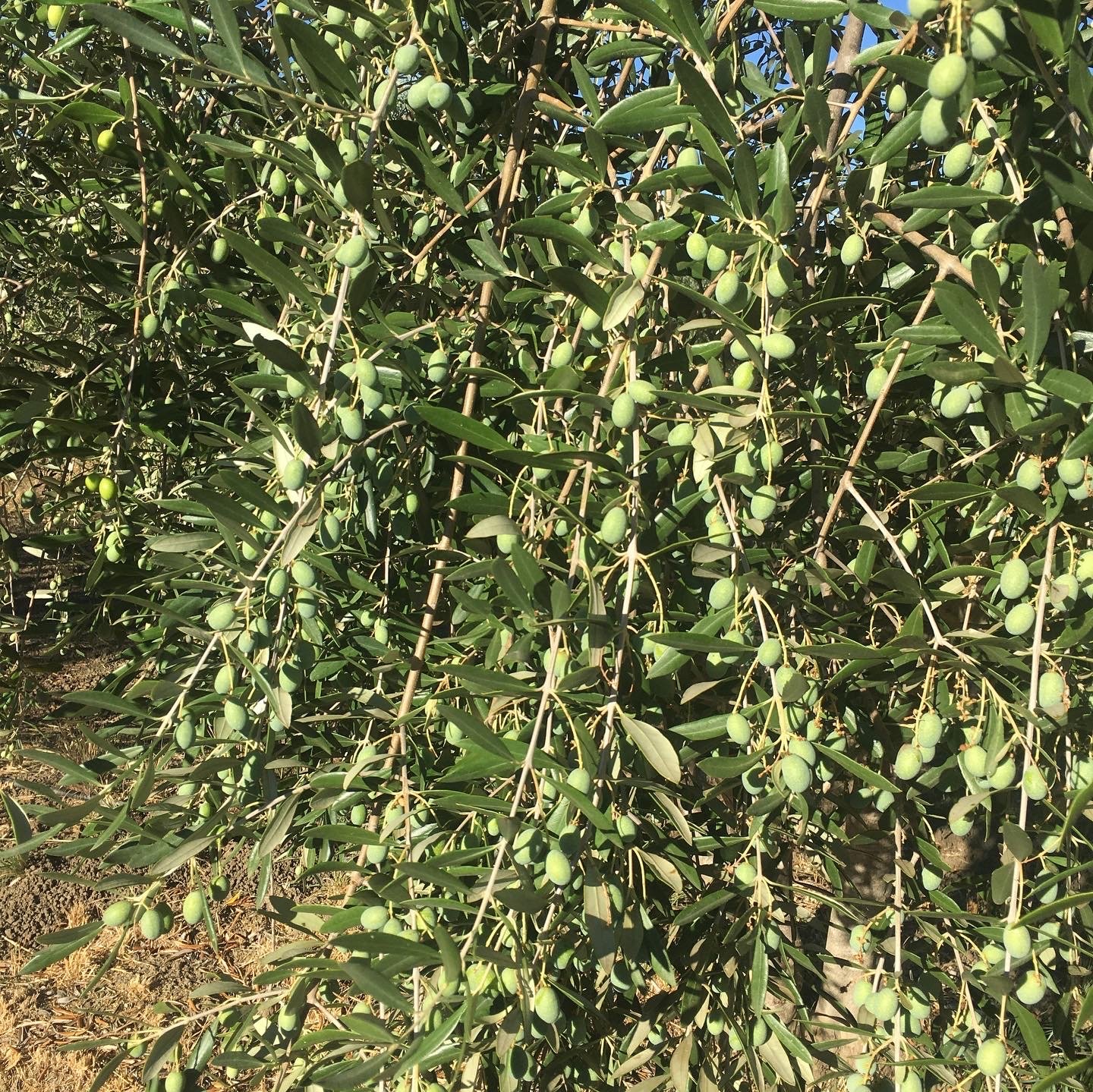
Plenty has been going on at the Farm since our 2020 Harvest. Our crop may have been small last year, but we were rewarded for our efforts with a gold medal from the California Olive Oil Council. We sold out early — thanks to our loyal customers. For those of you left wanting additional oil this past year, it looks like we will have plenty to last throughout the year as the trees are showing a bumper crop of olives.

Clearly this has been the hottest summer we’ve experienced in Lake County: a series of 4 to 5 days of 100 plus degree weather occurred from June to September. The drought, heat and constant threat of wildfires have been deeply concerning to everyone, not just the farmers. We did have a lovely Spring, though, and it’s good to remember that the farm will green up once again.

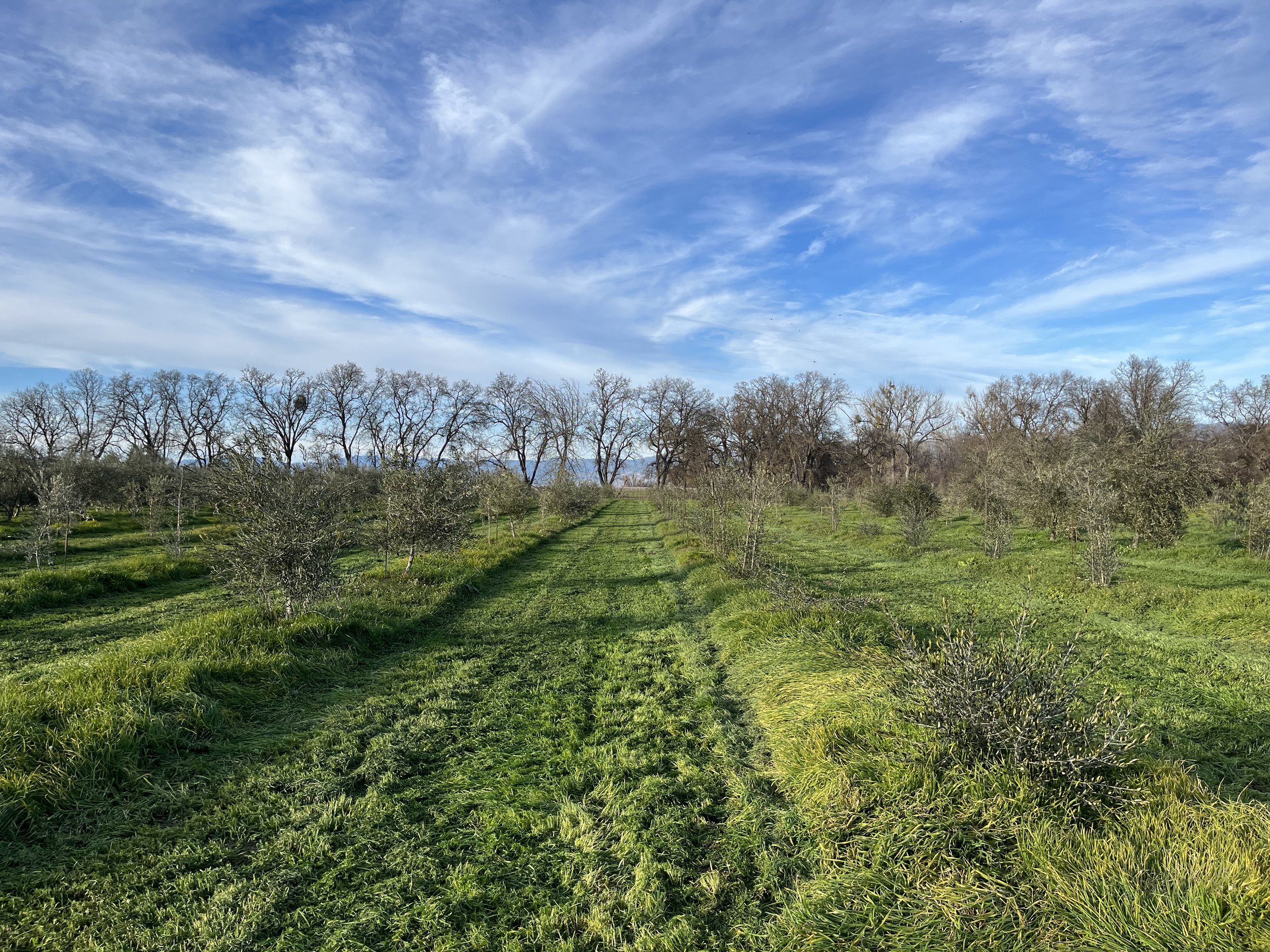
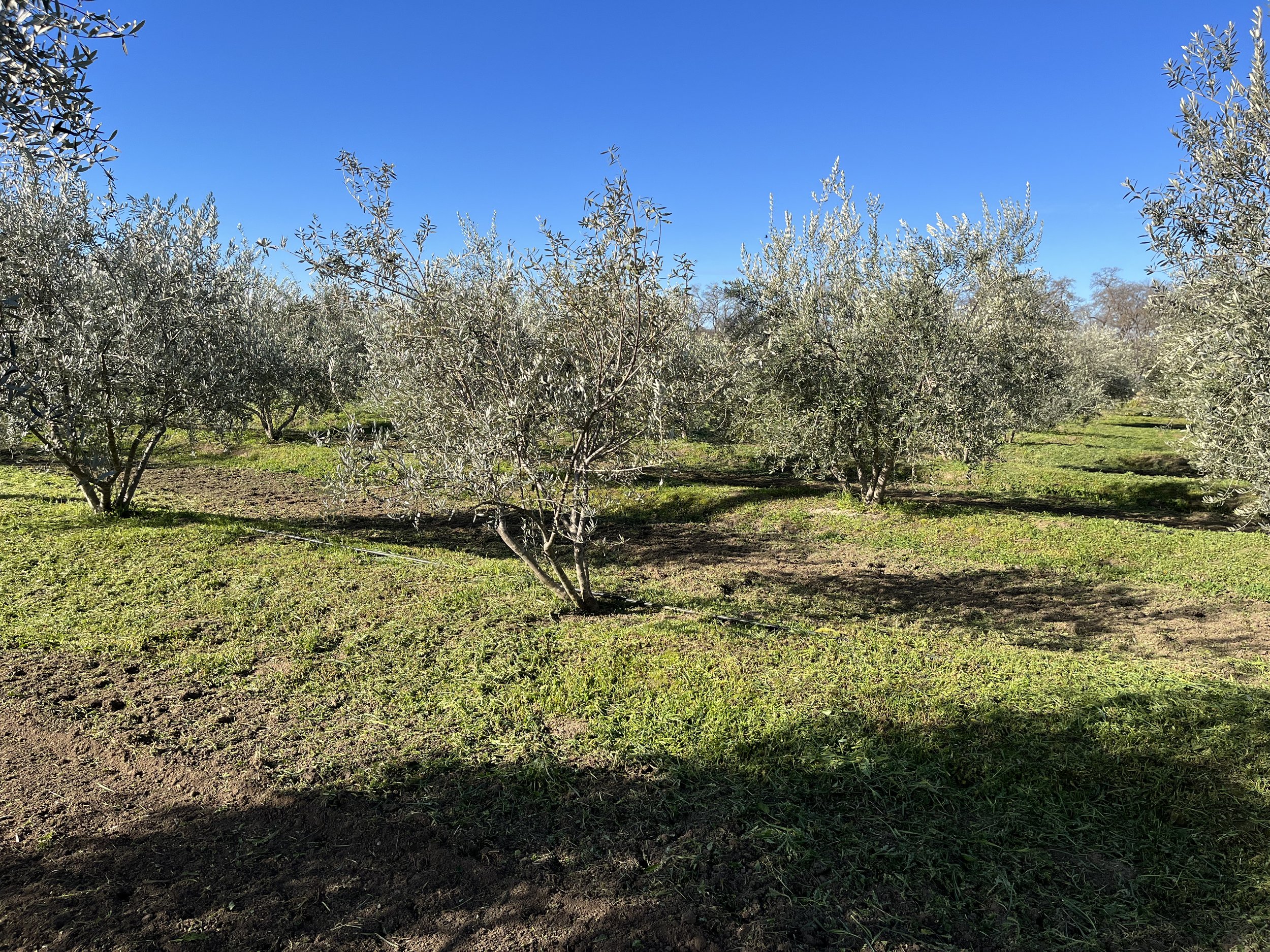
April at the Farm brought green to the fields and brilliant blue skies.

April at the Farm brought green to the fields and brilliant blue skies.

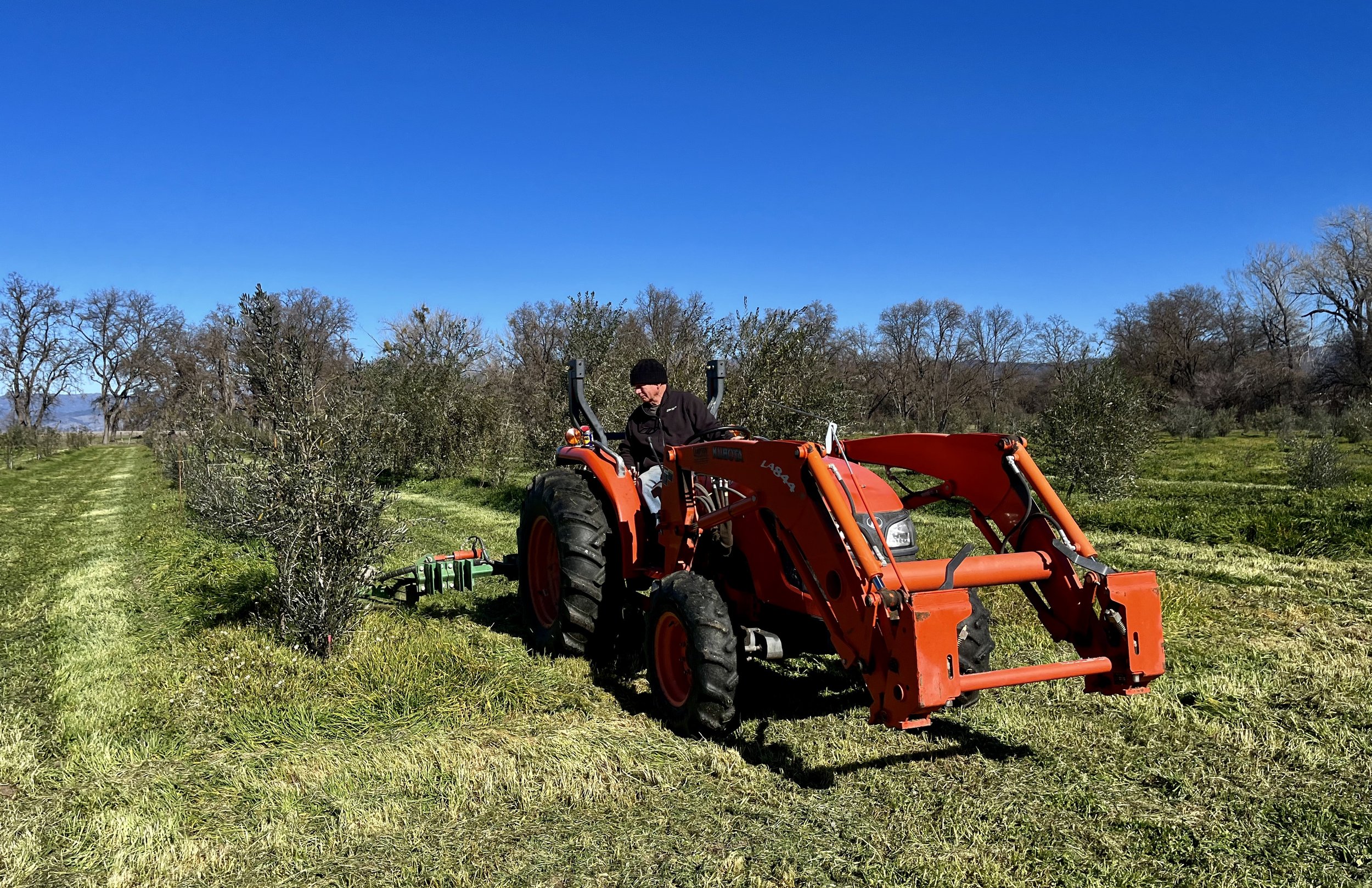
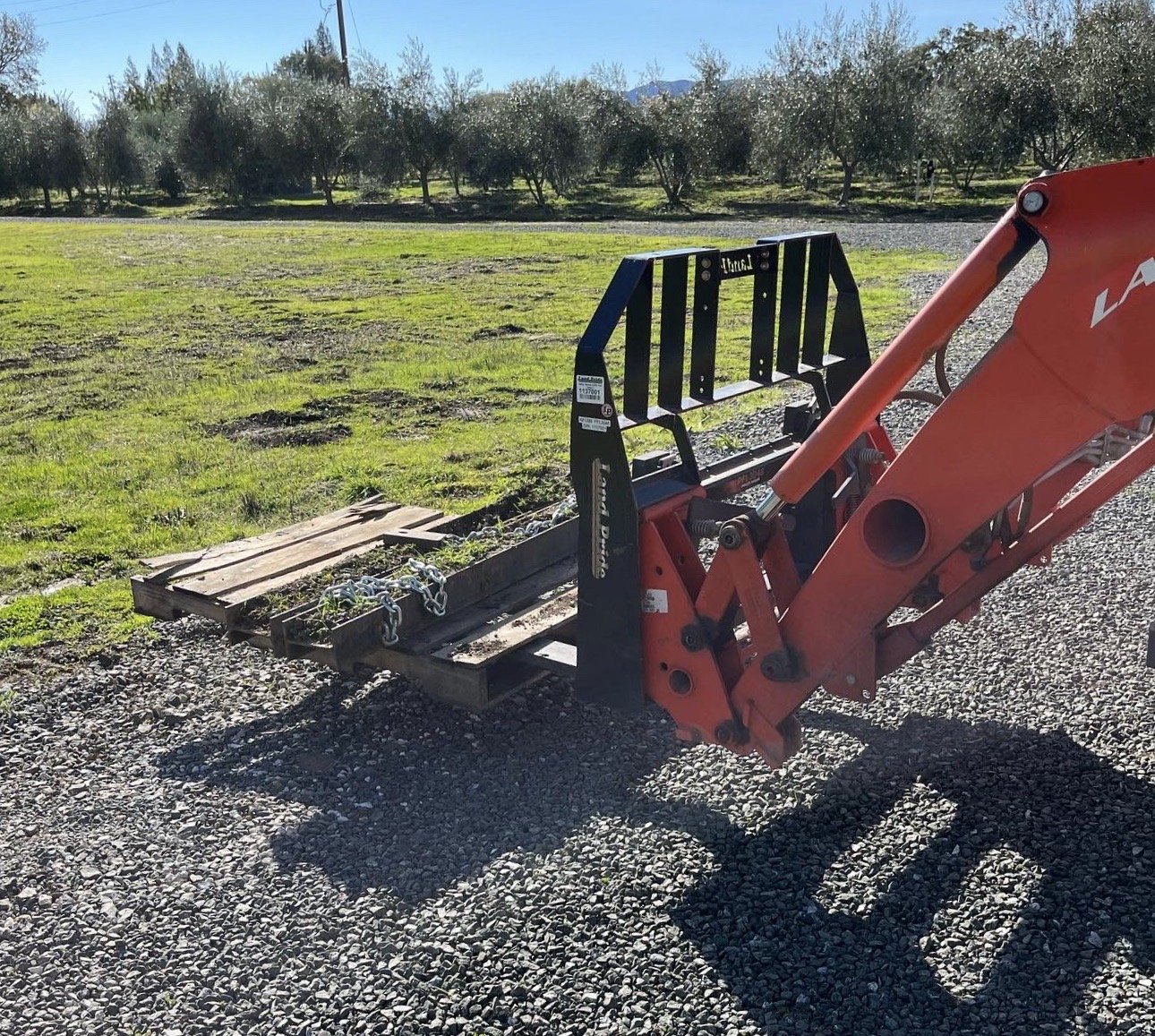
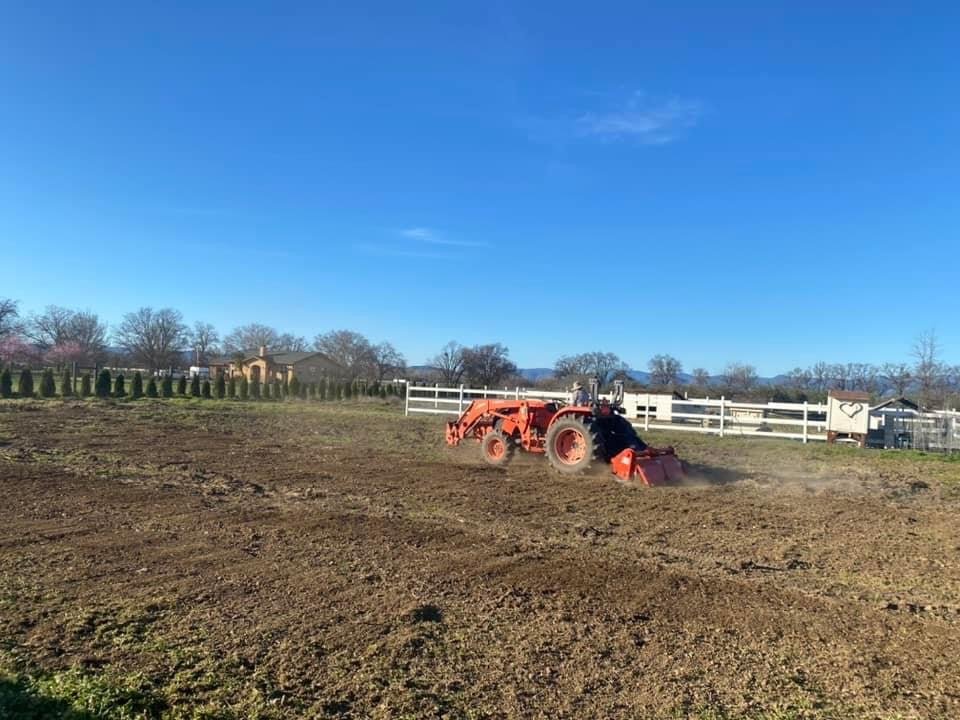
The Farm has weathered the drought fairly well, though many of the native trees surrounding our fields are stressed. We hope like crazy that the 2021-2022 rainy season actually brings significant rainfall. With so little moisture in the ground from winter rains, the weeds didn’t have a chance in the unirrigated parts of the farm. We saved a lot of time and fossil fuels because we haven’t had to mow since Spring. The cover crop of favas and peas also showed the effects of drought, only growing about 18 inches tall in the rows. We mowed the cover crop at the point it where it just started to form seed pods. One tilling and we left that ground alone until we dragged it recently with a new piece of equipment we had built at AAA Welding in Lakeport. Low till and no till this year.

Right after tilling we brought in Horacio to prune the older orchard, which consists of 4 1/2 acres of about 680 trees. He worked to clear out the middle of the trees and encourage bearing branches on the outside of the trees, making harvesting much easier and more efficient. Horacio accomplished in two weeks what we tried to do in four months last year.

Everyone in Big Valley has been complaining about the unusual numbers of ground squirrels and yellow jackets. Ground squirrels are big nuisances in the orchards because of their constant tunneling beneath the trees. Neighbors reported that ground squirrels chewed through the hydraulic lines on their tractor. We trap some of them in the hopes of slowing the population down. As we get into Fall, we are seeing fewer and fewer of them. As for the yellow jackets — the danger there is pretty clear. A yellow jacket sting can be anywhere from briefly painful to life threatening. We couldn’t seem to destroy their nests with the usual off-the-shelf products or home remedies like boiling water. And we were hesitant to pour gasoline down the yellow jacket holes. Our answer was to distract and trap as many as we could, by hanging the traps directly over the nest entrances.

We ticked off a number of projects this year. The pergola by the house is complete and we have new planters filled with viburnum and native plants that will attract birds and pollinators. We now have an inviting gathering spot — for when life opens up again and we can get together freely.

Years in the planning, we finally created an inviting space at the entrance to the farmhouse.

Years in the planning, we finally created an inviting space at the entrance to the farmhouse.

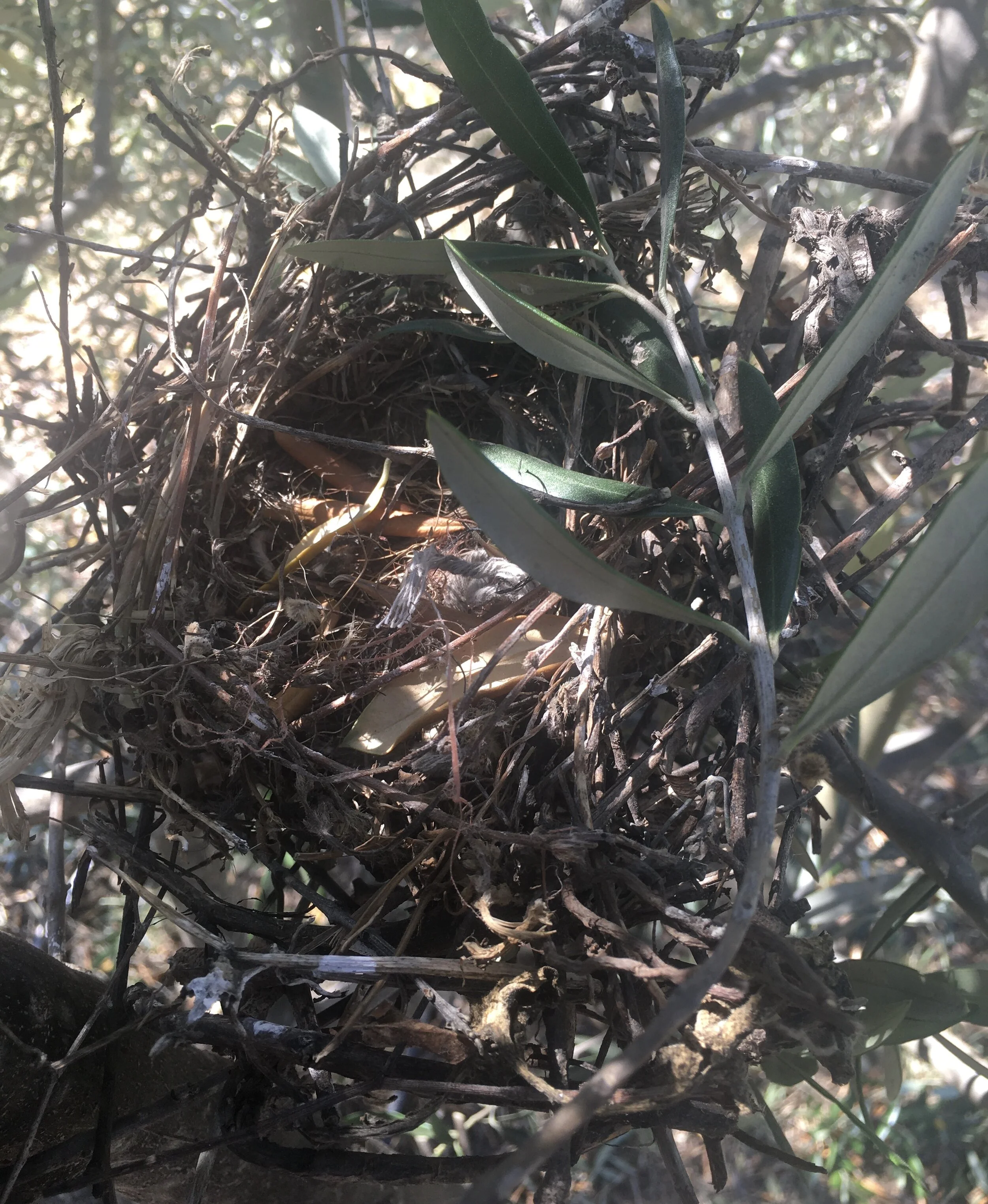
We continued to work on bat exclusion from the house and have been grateful to see that many bats have taken up residence in their proper bat houses on the side of the barn. Another bird exclusion project was completed in the barn to keep blackbirds and finches from nesting in the precarious places they seem to love in the upper reaches of the barn rafters. More nests fell down than survived in the barn. For some reason, the tops of ladders and brooms also seemed to be their favorite nesting spots. We hope that more birds will join their friends in the orchard where the olive trees make excellent and well-protected spots for nests. We also spent some time putting metal sheaths on the house siding where flickers loved to chip away chunks of wood. We nailed up bird netting to keep them from pecking away at the attic vents. As the summer months passed, we saw and heard fewer and fewer of the flickers in the slough and none at the house or barn. Has the drought driven them away entirely?

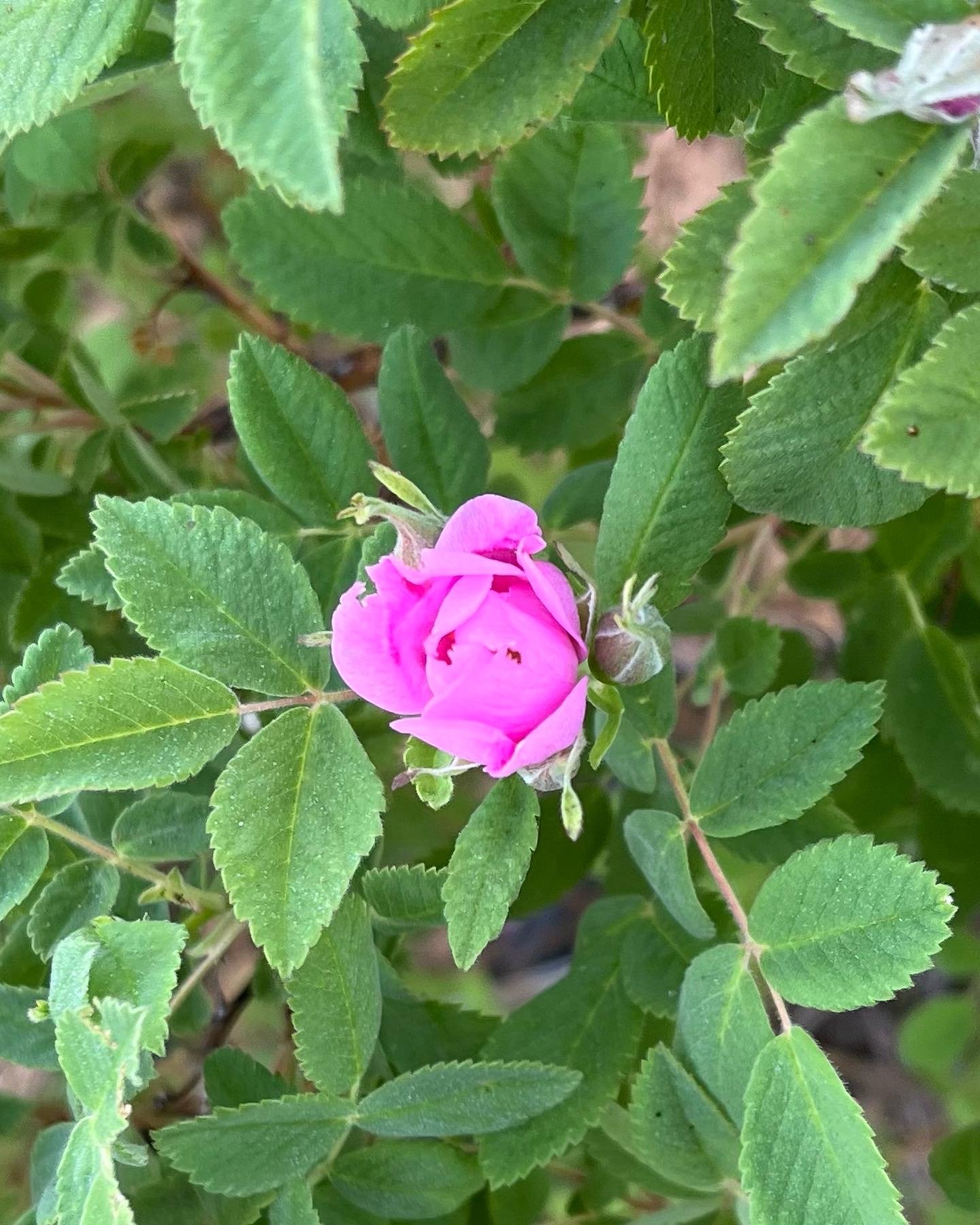
We are pretty happy about the 700-foot hedgerow we started planting two years ago on the western edge of our orchard. With some watering, weeding and mulching it has mostly flourished. We’ve learned that the California native rose, buckwheat, sugarbush, quailbush, buckbrush, yarrow, deer grass, and goldenrod are varieties of natives that flourish here in the Big Valley where temperatures are well below freezing in the winter and hit 100 degree plus for many days in the summer. We have birds feeding off the seeds and various pollinators - including honeybees from next door and bumblebees busy among the abundant flowers.

Sept Hedgerow.jpeg

Harvest is about a month away. The Farm has seen another cycle of seasons.